
Prevention & everyday health
Regular check-ins and practical habits help you understand what is going well and what deserves attention.
- Dental examinations
- Cleaning and home-care guidance
- Gum and oral health conversations
DENTAL CARE / SERVICES
Every smile has a different history. We begin by listening, examining what matters, and explaining possible next steps in language you can use.
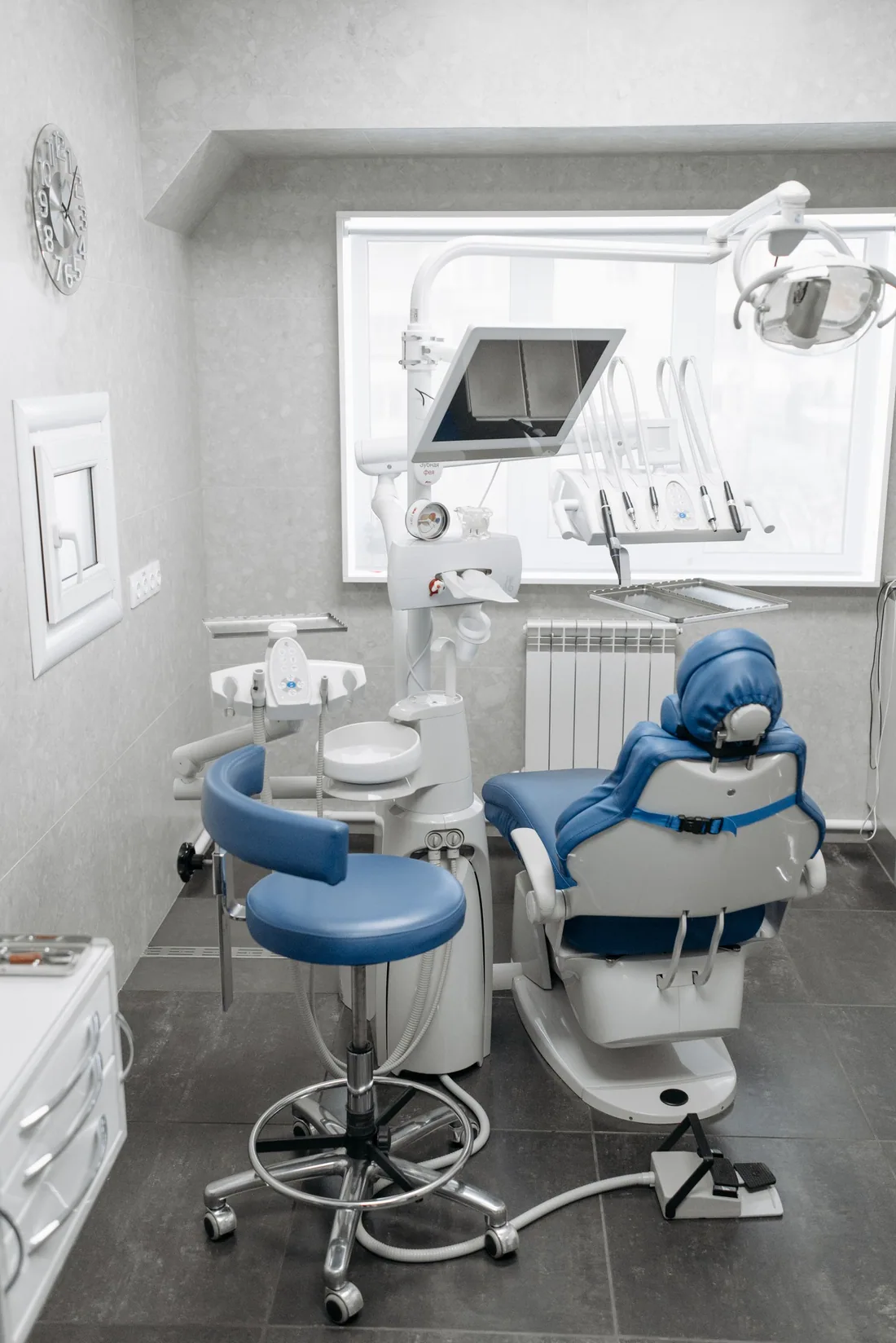
A BETTER STARTING POINT
You may be coming in for routine care, a change you noticed, or a concern that has been on your mind for a while. The right starting point is not a treatment menu. It is a clear picture of your goals, your health, and your choices.
The areas below are a guide to the kinds of conversations people have with a dental team. They are not a diagnosis or a promise that a particular service is appropriate for you. A clinician can explain availability and recommendations after an individual evaluation.
AREAS OF CARE
Use these topics to identify what you would like to discuss. Your care plan should reflect your own circumstances, not a one-size-fits-all package.
Regular check-ins and practical habits help you understand what is going well and what deserves attention.
When a tooth is damaged or uncomfortable, the first step is to understand the cause and compare the available options.
Aesthetic goals can be part of oral health planning. Ask how an option may affect your teeth, upkeep, and expectations.
Pain, a broken tooth, or an unexpected change deserves a timely conversation about the appropriate next step.
Availability, suitability, timing, and cost depend on an individual assessment. For a medical emergency, seek emergency care rather than using a website form.
OUR APPROACH
Good care makes room for questions at every point, including the choice to take time before deciding.
Share your symptoms, history, questions, and the outcome you are hoping for. Even small details can change which questions are worth exploring.
An appropriate clinical assessment helps separate what can be observed from what still needs investigation. You should know what is known and what is uncertain.
Discuss relevant options, limitations, possible follow-up, and practical considerations so your decision is informed and personal.
BEFORE YOU DECIDE
You do not need to know the clinical vocabulary to take part in your care. Start with what you want to understand.
Browse patient resourcesDescribe the concern in your own words, when it began, and what you have already tried. Bring a list of medications, relevant health information, and any questions you do not want to forget.
That depends on the clinical findings. Ask which options may be appropriate, what each involves, and what could happen if you wait or do nothing.
Ask for a written explanation of the proposed work, anticipated fees, and any items that may change after evaluation. Coverage and payment arrangements should be confirmed directly.
Ask about expected recovery or adjustment, daily care, possible follow-up, and which changes should prompt you to contact a clinician.
BEGIN HERE
Tell us what is on your mind. We can help you begin the conversation without asking you to choose a treatment first.